
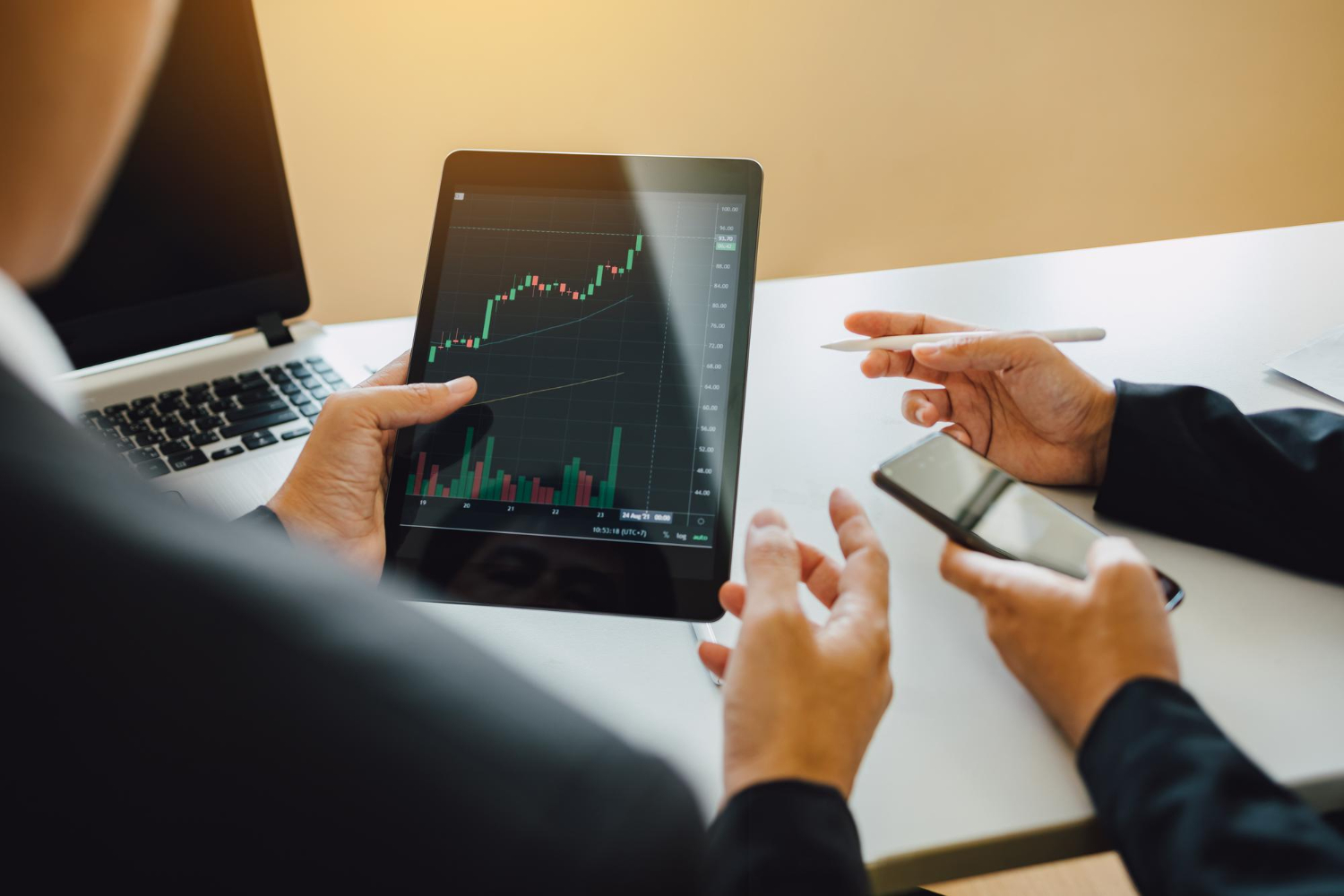
In a fast-paced financial landscape, mobile trading platforms have transformed how Filipinos engage with the markets. Understanding how these platforms display trading spreads is crucial for traders looking to maximize their investments. This article delves into the intricacies of mobile trading, the significance of spreads, and the features that enhance trading experiences. Explore popular platforms, regulatory impacts, and future trends that set the stage for a new era in trading on the go.
Overview of Mobile Trading
Mobile trading enables users to execute trades, monitor markets, and analyze trends directly from their smartphones, thereby enhancing accessibility and flexibility. This convenience is further emphasized by the fact that over 50% of trades are executed through mobile platforms.
Users have access to features such as real-time market data, seamless order execution, and customizable alerts.
Prominent mobile trading applications, including:
- Robinhood
- E*TRADE
- TD Ameritrade
offer intuitive interfaces and advanced charting tools, allowing traders to make informed decisions regardless of their location. Additionally, many platforms provide educational resources to assist users in refining their strategies and enhancing their trading skills while on the move.
Importance for Filipino Traders
For Filipino traders, mobile trading platforms are essential for accessing global markets, effectively overcoming geographical barriers and enhancing investment opportunities.
Platforms such as Binance and eToro are specifically designed to meet the needs of Filipino traders, offering features that include local language support and user-friendly interfaces.
Binance provides a comprehensive trading application that facilitates seamless cryptocurrency trading while also offering educational resources in Filipino. Conversely, eToro distinguishes itself with its social trading feature, which allows users to follow and replicate the strategies of successful traders.
Both platforms support a variety of payment options, including local bank transfers, thereby ensuring a user-friendly experience for traders seeking to capitalize on market opportunities.
Understanding Trading Spreads
Understanding trading spreads is crucial for traders, as it directly influences transaction costs and overall trading performance.
Definition of Trading Spreads
A trading spread refers to the difference between the buying (ask) price and the selling (bid) price in financial markets, and it plays a critical role in assessing potential profits or losses.
For example, if the EUR/USD currency pair has an ask price of 1.2005 and a bid price of 1.1990, the spread would be 1.5 pips. This spread has a direct impact on trading costs; a wider spread can diminish profits and affect trade execution.
Traders seeking to implement profitable strategies should take spreads into account when entering trades, particularly in volatile markets. Utilizing tools such as TradingView can assist in monitoring spread fluctuations over time, thereby enabling more informed decisions regarding broker selection and trading pairs.
Types of Spreads
There are various types of trading spreads, including fixed, variable, and commission-based spreads, each designed to accommodate different trading strategies and market conditions.
Fixed spreads maintain a consistent difference between the bid and ask price, irrespective of market fluctuations. For example, one may observe a 2-pip spread on a major currency pair such as EUR/USD.
In contrast, variable spreads fluctuate in response to market volatility, often widening during periods of turbulence, thereby reflecting real-time supply and demand dynamics.
Commission-based spreads require the payment of a specific fee per trade, which can be more cost-effective for high-frequency traders who prioritize minimizing overall spread costs.
Each type of spread offers distinct advantages depending on the trader’s style and the prevailing market conditions.
Mobile Platform Features
Mobile trading platforms provide a variety of features intended to improve user experience and trading efficiency, including intuitive interfaces and access to real-time market data.
User Interface Design
A well-designed user interface (UI) is essential for mobile trading applications, as it enables seamless navigation and facilitates prompt decision-making.
Key components of effective UI design include simplicity, which minimizes clutter and enhances focus on critical tasks. Intuitive layouts assist users in locating features without confusion, while responsive touch controls ensure smooth interaction.
For instance, Robinhood utilizes a minimalistic design that prominently displays essential metrics, allowing users to easily assess their investment performance at a glance. Similarly, applications like E*TRADE provide customizable dashboards, give the power toing users to prioritize information most relevant to their trading strategies, thereby enhancing their overall experience.
Real-Time Data Display
Real-time data display is essential in mobile trading, as it enables traders to analyze price fluctuations and make informed decisions promptly. Tools such as TradingView offer robust charting capabilities, allowing traders to visualize trends and patterns effectively.
With features including real-time alerts and customizable indicators, users can configure notifications for price movements or market news that may impact their trades. Platforms like MetaTrader provide mobile applications that integrate real-time data for forex and stock trading, ensuring that traders can capitalize on opportunities without delay.
To enhance responsiveness, it is advisable to utilize these tools in conjunction with a reliable internet connection, thereby minimizing latency during trading activities.
Factors Influencing Trading Spreads
Numerous factors influence the trading spread, including market conditions, currency volatility, and liquidity, all of which play a critical role in determining associated costs.
Market Conditions
Market conditions, including volatility and trading volume, have a direct impact on the width of trading spreads across various platforms. For example, significant events such as the release of non-farm payroll data or geopolitical tensions can lead to a notable widening of spreads. A pertinent illustration of this occurred in April 2020, when market volatility surged due to concerns surrounding COVID-19, resulting in a 30% increase in spreads for major currency pairs.
Traders are advised to closely monitor the economic calendar for key announcements and adapt their strategies accordingly. Employing tools such as TradingView can facilitate the tracking of these events, while also enabling real-time spread monitoring. This approach ensures that traders remain informed and proactive in their trading decisions.
Currency Volatility
Currency volatility represents a significant factor influencing trading spreads, as increased volatility typically results in wider spreads due to the heightened risk assumed by brokers.
For example, in March 2023, the GBP/USD currency pair displayed average spreads ranging from 2.5 to 4 pips, largely affected by the release of U.K. GDP figures and employment data. When positive economic indicators were reported, trader sentiment improved, leading to a temporary tightening of spreads. Conversely, following disappointing inflation data, spreads widened considerably, indicating increased market uncertainty.
Traders can leverage platforms such as MetaTrader to monitor these fluctuations in real-time, enabling them to make informed decisions based on the most recent economic releases and their subsequent effects on volatility.
Comparative Analysis of Mobile Platforms
A comparative analysis of mobile trading platforms indicates significant differences in features, spreads, and overall user experiences, which are essential considerations for Filipino traders when selecting the most suitable option.
Popular Platforms in the Philippines
Prominent mobile trading platforms in the Philippines include eToro, Binance, and PDAX, each designed to meet the specific needs of local traders through a variety of features and services.
eToro is particularly notable for its social trading capabilities, which enable users to follow and replicate the trades of experienced investors, making it especially suitable for beginners. With a user base exceeding 26 million globally, eToro offers competitive spreads starting at 0.75%.
Binance is recognized for its extensive selection of cryptocurrencies and low trading fees, which average around 0.1%. This combination has made it a preferred choice among trading enthusiasts.
PDAX, on the other hand, is tailored to the Filipino market, providing support for local currency transactions and a user-friendly interface. This focus has resulted in the platform attracting over 1 million active users.
Each of these platforms effectively addresses distinct trading requirements.
Regulatory Considerations
Comprehending regulatory considerations is essential for both traders and mobile trading platforms to ensure compliance and maintain secure trading environments.
Philippine Regulations on Trading
The Philippine Securities and Exchange Commission (SEC) is tasked with enforcing regulations that govern trading activities, ensuring both transparency and protection for traders.
Among the key regulations is the requirement for mobile trading platforms to obtain a license from the SEC, which necessitates compliance with specific capital and operational standards. Additionally, these platforms must adhere to consumer protection measures, which include providing clear and comprehensive information regarding associated risks and fees.
Recently, the SEC has issued new guidelines aimed at enhancing cybersecurity protocols to protect user information, demonstrating an increasing commitment to safeguarding traders in the digital environment.
Traders are strongly encouraged to verify the licensing status of their platforms to ensure adherence to these regulations.
Impact on Mobile Platforms
Regulatory compliance significantly influences mobile platforms by shaping their operational frameworks and impacting user trust and security.
In the Philippines, platforms such as GCash and PayMaya have adapted their features to align with regulatory standards established by the Bangko Sentral ng Pilipinas (BSP). For example, GCash mandates that users complete a Know Your Customer (KYC) process, which enhances security and fosters user trust.
In a similar vein, both applications implement real-time reporting measures to ensure transparency in financial transactions. These adaptations not only fulfill regulatory requirements but also enhance the overall user experience by promoting a sense of safety, which is essential for user retention and engagement.
Future Trends in Mobile Trading
Emerging trends in mobile trading encompass AI-driven analytics, enhanced security features, and expanded functionalities aimed at providing a more comprehensive trading experience.
Machine learning algorithms are significantly improving trading signals by swiftly analyzing extensive datasets, thereby facilitating more well-considered choices. For instance, platforms such as Alpaca and eToro leverage AI technologies to predict market trends based on historical data.
Moreover, enhanced security features, including two-factor authentication and biometric login, are becoming standard practices, ensuring that user data is adequately protected. Multi-device access further enhances user engagement, allowing traders to monitor their portfolios seamlessly across smartphones, tablets, and desktops.
This interconnectedness not only improves trading efficiency but also cultivates a more responsive user experience.
Frequently Asked Questions
1. How do mobile platforms display trading spreads for Filipinos on the go?
Mobile platforms typically display trading spreads on their interface, allowing users to easily view the current spread for a particular asset. Some platforms also offer customizable settings, allowing users to choose which spreads they want to see on their screen at all times.
2. Can I access trading spreads on my mobile device as a Filipino trader?
Yes, most mobile trading platforms offer the same features as their desktop versions, including displaying trading spreads. As long as you have an internet connection, you can access trading spreads on your mobile device from anywhere in the world, including the Philippines.
3. Are trading spreads displayed in real-time on mobile platforms?
Yes, trading spreads on mobile platforms are typically updated in real-time. This means that you can view the most current spread for a particular asset, ensuring that you have the most accurate information for your trades.
4. Do all mobile platforms display trading spreads in the same way?
No, different mobile platforms may have different ways of displaying trading spreads. Some may use a numerical format, while others may use a visual representation, such as a line graph. It is important to familiarize yourself with the platform you are using to understand how trading spreads are displayed.
5. How do mobile platforms ensure accuracy in displaying trading spreads?
Mobile platforms use real-time market data to calculate and display trading spreads. This data is sourced from reputable financial institutions and is constantly updated to provide accurate and up-to-date information for traders.
6. Can I compare trading spreads for different assets on mobile platforms?
Yes, mobile platforms often allow users to compare trading spreads for different assets side by side. This can help traders make more informed decisions when choosing which assets to trade, as they can easily see the difference in spreads between assets.