

Introduction
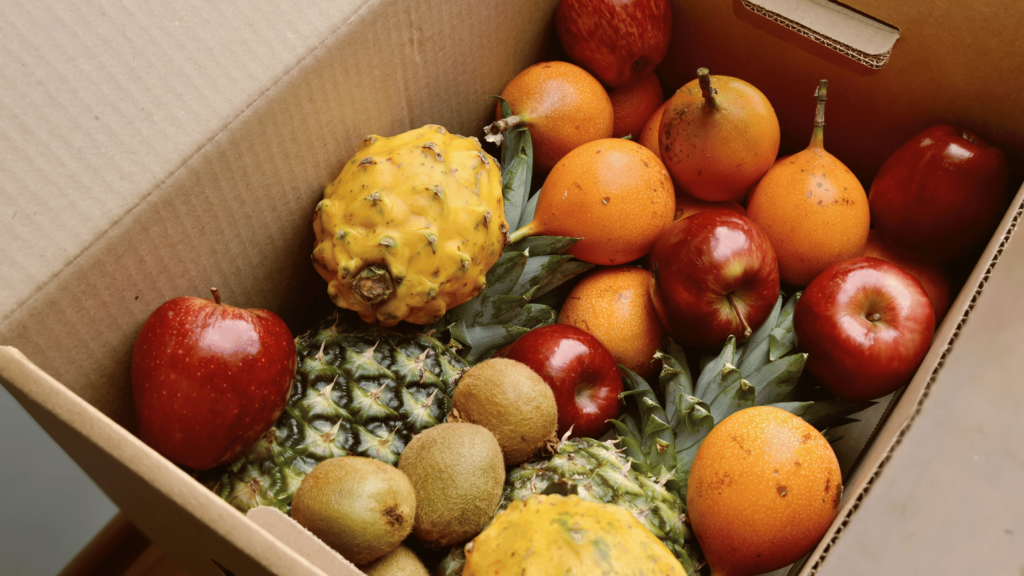
The global fruit export industry thrives on freshness, quality, and presentation. Whether shipping mangoes from Thailand, oranges from Spain, or apples from the United States, exporters must ensure that their produce arrives intact, visually appealing, and safe for consumption. A crucial but often overlooked factor in this process is the humble fruit box. More than just a container, the right fruit box plays a pivotal role in maintaining the value, integrity, and marketability of fruit during transportation and storage.
This article explores why fruit boxes are essential for successful fruit exports and how choosing the right packaging solution can protect produce, preserve freshness, and even improve brand reputation in international markets.
The Importance of Proper Fruit Packaging
Exporting fresh fruit involves complex logistics. Fruits are perishable and sensitive to changes in temperature, humidity, and pressure. Without proper packaging, they risk spoilage, bruising, or contamination, which can lead to costly losses and damaged relationships with buyers.
Fruit boxes serve as the first line of defense against these challenges.
Functions of Fruit Boxes in Export:
- Physical Protection: Prevent bruising, crushing, or damage from stacking during transport
- Preservation: Maintain freshness by supporting temperature control and ventilation
- Identification and Branding: Display essential information like origin, grade, and certifications while promoting brand recognition
- Compliance: Meet international regulations and hygiene standards
Types of Fruit Boxes Used in Exports
Choosing the right type of box depends on the fruit type, destination, shipping method, and storage requirements. Here are the most common types:
1. Corrugated Cardboard Boxes
Lightweight yet strong, these are the most widely used for fruit exports. They can be single, double, or triple-walled depending on weight and protection needs.
- Advantages: Recyclable, cost-effective, customizable printing
- Ideal For: Apples, citrus fruits, bananas, grapes
2. Plastic Crates
Reusable and highly durable, plastic crates are often used for short-distance or high-value exports.
- Advantages: Moisture-resistant, stackable, easy to sanitize
- Ideal For: Berries, tropical fruits, produce needing ventilation
3. Wooden Crates and Pallet Bins
Used for bulk shipments, particularly for sturdier fruits or high-volume orders.
- Advantages: Strong, reusable, good for long-haul or air freight
- Ideal For: Melons, pineapples, and large quantities of export-grade produce
How Fruit Boxes Contribute to Export Success
1. Maintaining Fruit Quality and Freshness
Proper packaging keeps the fruit in peak condition from the farm to the buyer’s shelf. Ventilated boxes allow for air circulation, while moisture-resistant materials prevent rot and mold. Packaging that maintains structural integrity also protects delicate produce from physical damage.
2. Extending Shelf Life
With the right packaging, exporters can slow down ripening, reduce spoilage, and extend shelf life. This is crucial for long-distance exports, where transportation and customs processes can take days or even weeks.
3. Complying with International Standards
Many importers have strict packaging and labeling requirements. Fruit boxes must be:
- Compliant with phytosanitary regulations
- Clearly labeled with origin, net weight, variety, and treatment info
- Made from approved materials (e.g., ISPM 15 for wood packaging)
Meeting these standards ensures smooth customs clearance and avoids shipment delays or rejections.
4. Enhancing Brand Value and Presentation
Beautiful, well-branded boxes create a positive first impression and signal professionalism. In competitive export markets, this can differentiate a product and increase buyer trust. Boxes with printed logos, QR codes, or eco-certifications also communicate transparency and quality.
5. Cost Efficiency and Logistics Optimization
Fruit boxes designed for stacking and palletization reduce transportation costs. Lightweight materials like corrugated cardboard help lower air freight expenses, while modular sizing maximizes container space.
Some advanced packaging systems also integrate with cold chain logistics, supporting temperature monitoring and smart tracking.
Innovations in Fruit Packaging for Export
As global demand for fresh fruit grows, so does the need for innovative packaging solutions. Leading exporters are now embracing smart packaging technologies and eco-friendly materials.
Smart Packaging Features:
- Temperature Indicators: Show if cold chain conditions were breached
- RFID Tags and QR Codes: Enable real-time tracking and data sharing
- Breathable Films and Coatings: Control humidity and gas exchange for longer freshness
Eco-Friendly Trends:
- Biodegradable or compostable packaging materials
- Minimalistic design to reduce waste
- Recycled and recyclable paper or plastic content
Sustainability is becoming a key factor in buyer decisions, particularly in European and North American markets.
Tips for Exporters Choosing Fruit Boxes
- Match the Box to the Fruit: Different fruits have different sensitivities; choose materials and designs that suit the specific produce.
- Test Durability: Simulate transportation conditions to ensure packaging withstands pressure, humidity, and handling.
- Stay Compliant: Keep updated with packaging regulations in your target export markets.
- Consider Customization: Use printed boxes to build brand recognition and offer traceability.
- Plan for Scalability: Choose suppliers who can meet volume demands during peak export seasons.
Conclusion
In the competitive world of fruit exports, quality and freshness are non-negotiable. Fruit boxes, though often underappreciated, are central to achieving these standards. By protecting produce, extending shelf life, enabling efficient logistics, and reinforcing branding, they serve as the backbone of successful fruit export operations.
For exporters, investing in the right fruit packaging is more than a logistical necessity—it’s a strategic move that can determine the reputation and profitability of their business in international markets. With the right approach, fruit boxes become not just containers, but powerful tools for global success.